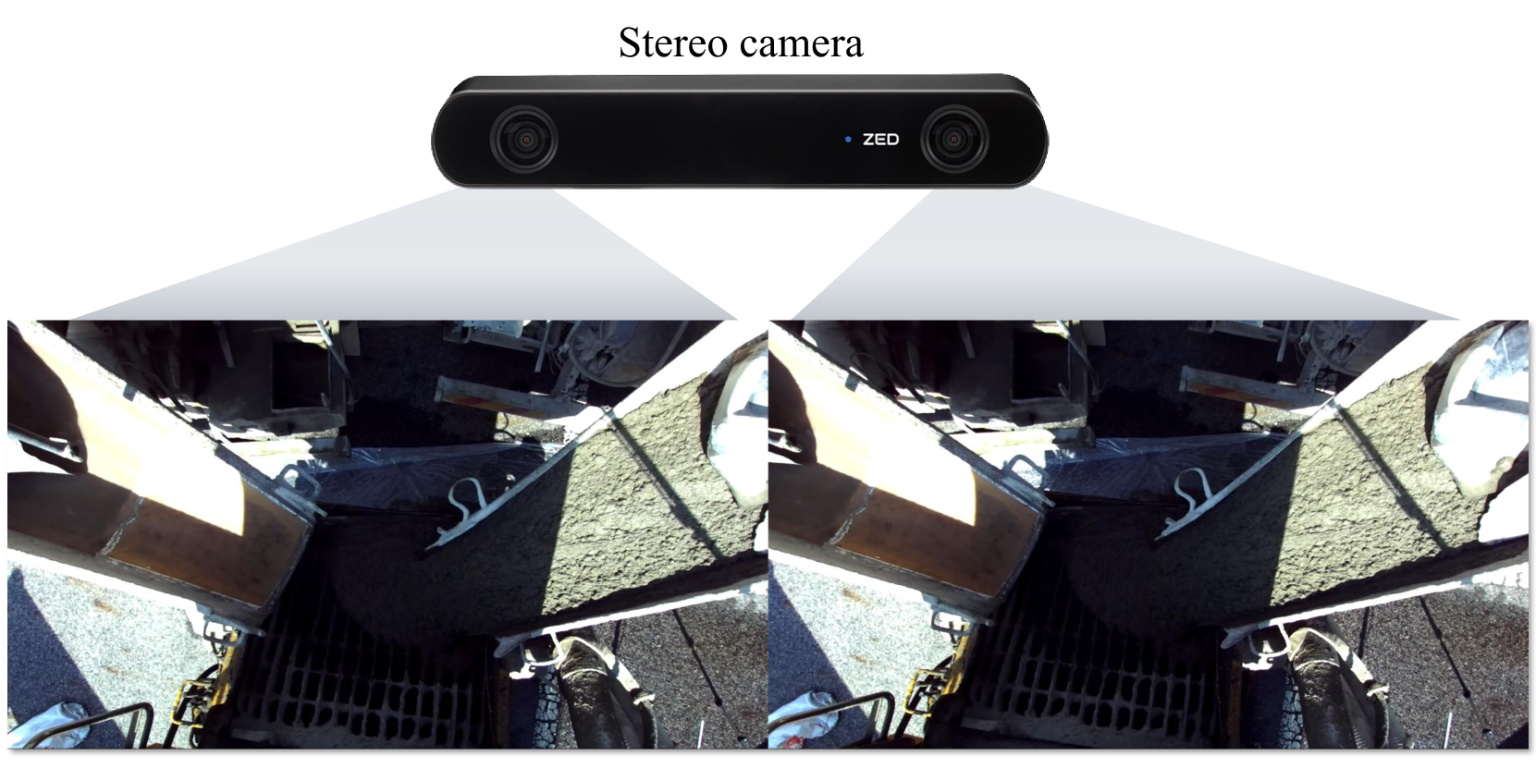
Artificial intelligence tools for monitoring concrete slump, including systems like SlumpGuard, are beginning to show up in early field trials across the construction industry. These systems typically rely on stationary cameras or sensors positioned at the truck chute to track how concrete flows load after load. The goal is continuous slump estimation without stopping for traditional manual testing. The research team behind SlumpGuard reports building a specialized dataset and conducting real world field deployments to validate the approach. Meanwhile, other solutions are emerging across the industry, using sensors, drum telemetry, and in drum video to build models that track slump from plant to pour.
While the technology is drawing headlines, its actual usefulness on most concrete jobs remains narrow. Current AI slump monitoring systems are designed for projects with long-duration, repetitive placement conditions like the kind found on massive civil pours where thousands of yards are placed at the same location day after day. In these environments, a stationary camera or fixed sensor setup makes sense because the equipment never moves and each truck unloads in the same spot for weeks or even months.
Real Time Workability Data
For field teams and pump operators, workability directly affects line pressure, speed of placement, pumpability, and overall pour safety. When slump drifts unexpectedly, problems can escalate quickly. AI driven tools provide early warning on pumpability by showing trending slump reductions that may signal rising line pressure or slowdowns. Real time visibility allows crews to adjust staging, hose layout, or reducer choices proactively. Continuous data across loads helps QC teams understand variability and communicate more effectively with the plant. Extended line lengths, bends, and elevation changes can amplify small changes in workability, making real-time signals especially valuable.
Limitations and Practicality
Despite the promise of AI monitoring, the technology is still a supplement, not a replacement for field experience. Camera based systems depend on stable placement, clean optics, and consistent lighting. Sensor based tools require calibration and healthy telemetry. Fundamental jobsite practices, sound mix design, clean lines, and proper staging, remain essential for successful placements.
Large Project Technology, Not Industry-Wide Adoption
AI slump monitoring tools has a place, but that place is extremely specific. Generally these tools are built for:
- Massive infrastructure projects
- Repetitive placements at a single fixed location
- Multi-thousand-yard pours
- Sites running multiple boom pumps or a large stationary pump
- Projects pouring daily or weekly at the same exact spot
This represents only a small fraction of the overall pumping market. For the rest of the industry, especially contractors handling shifting, small to mid-sized pours, AI slump monitoring is more of a technical curiosity than a practical jobsite tool.
The Bottom Line
The concrete industry is experimenting with AI, but it’s far from becoming a standard practice. Outside of a few large-scale projects, the technology isn’t aligned with the needs, pace, or workflows of most pumping operations. And while these research efforts are interesting, they shouldn’t be confused with tools that everyday contractors can use or benefit from today.
As the tech evolves, its role may expand, but for now, AI slump monitoring remains a niche solution designed for niche conditions, not the typical residential, commercial, or deep foundation jobs that utilize traditional s-tube and ball valve pumps.